


In Stock
SKU: 658-200-CU Series | Category: Cryo-EM Consumables
QUANTIFOIL® R 1.2/1.3 Holey Carbon Grids
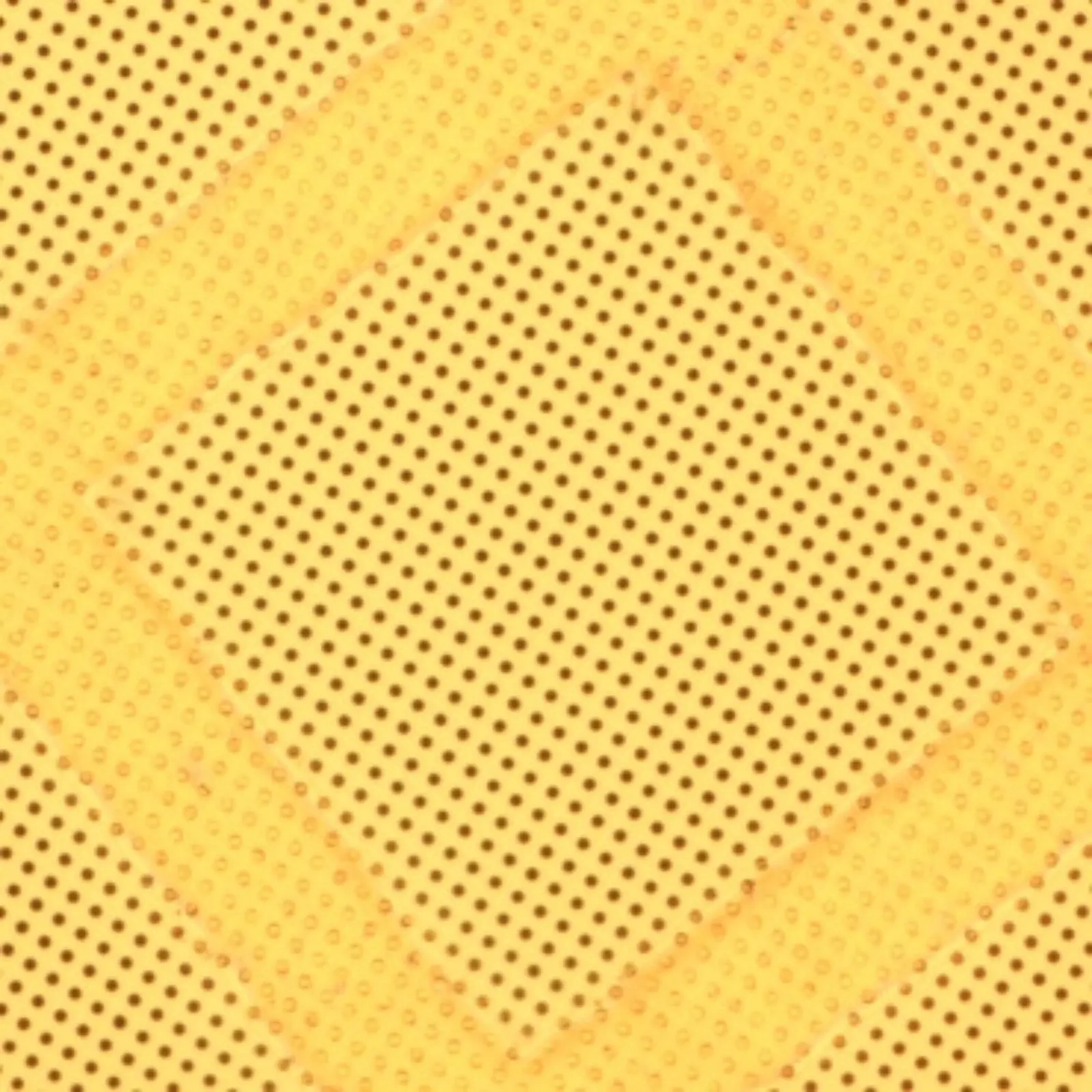
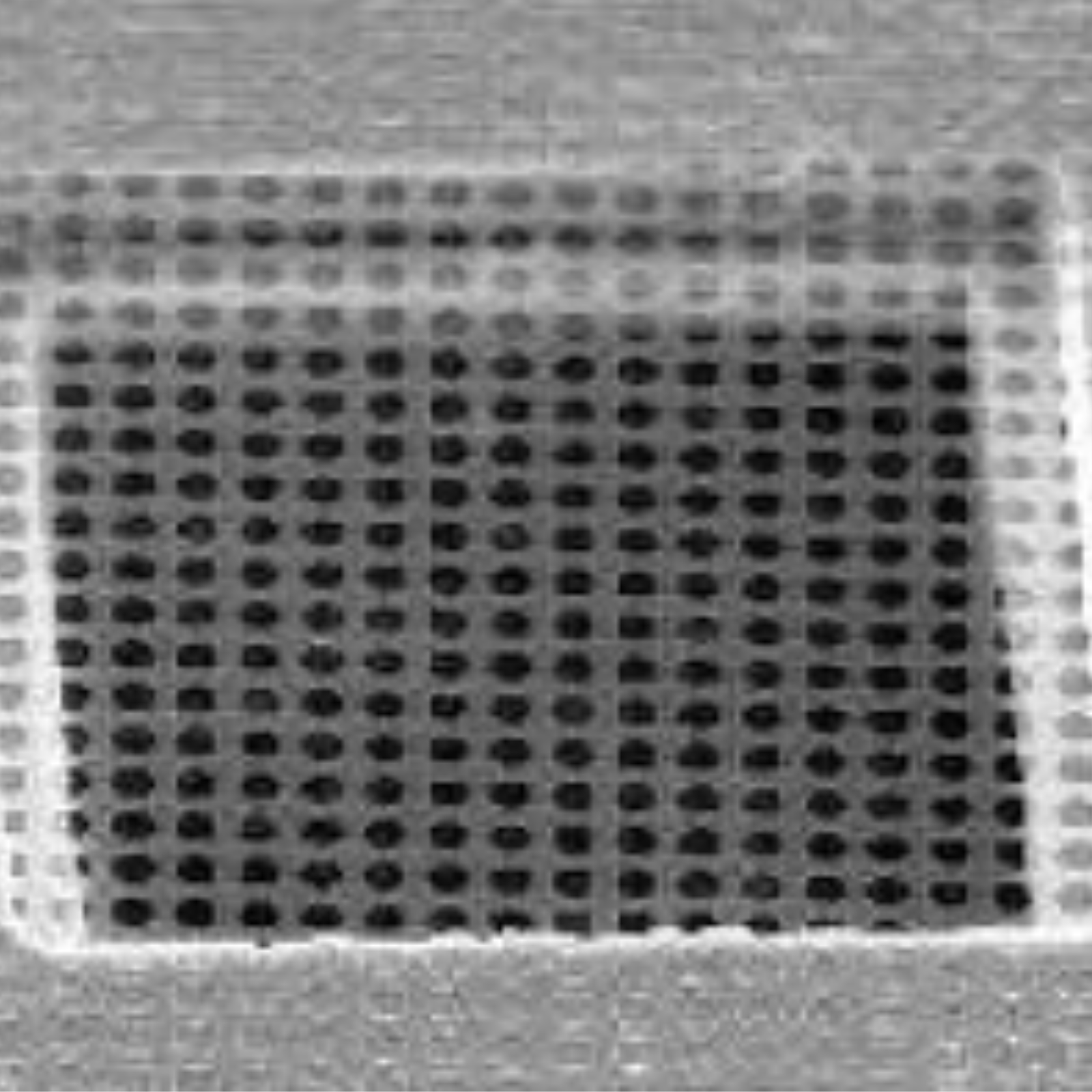
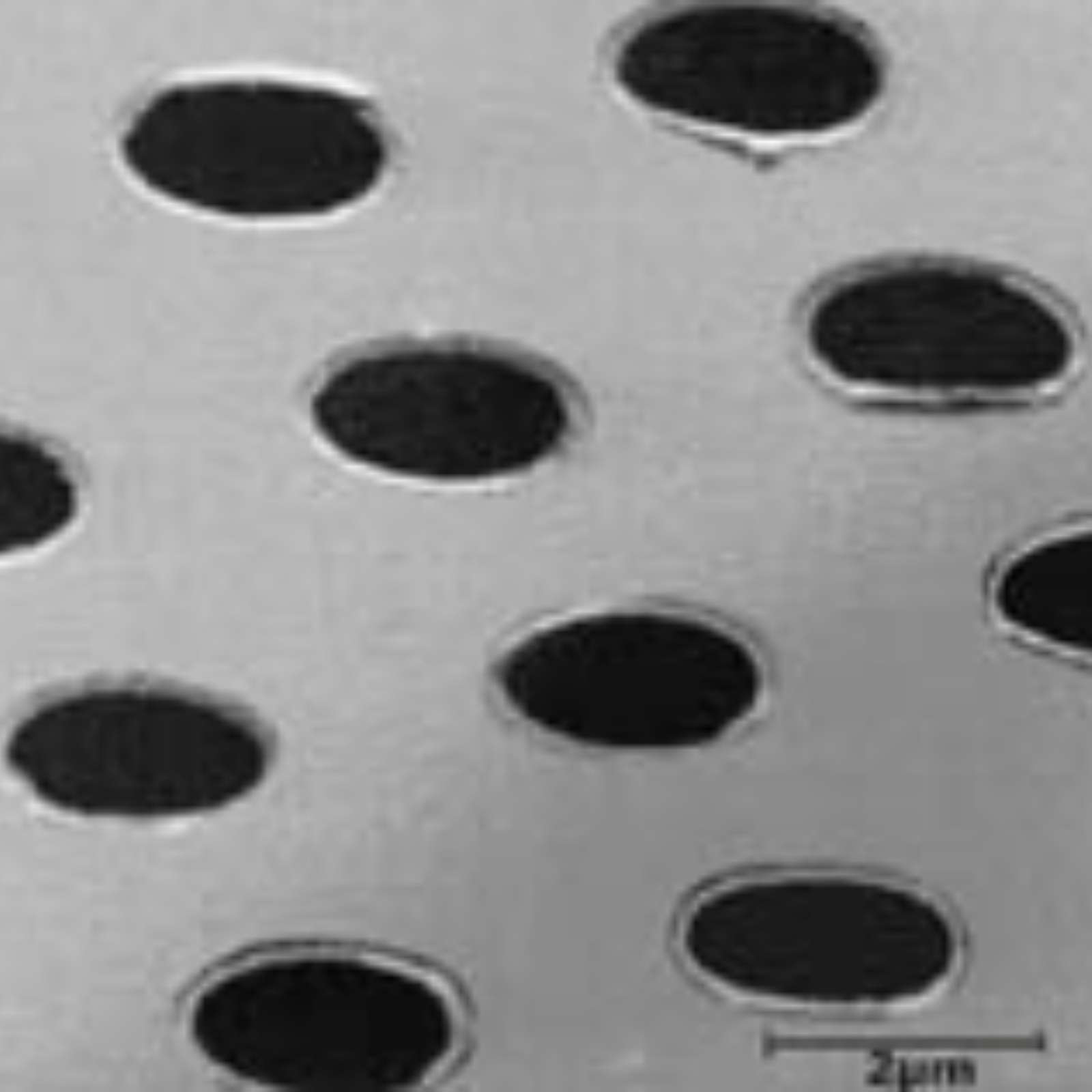
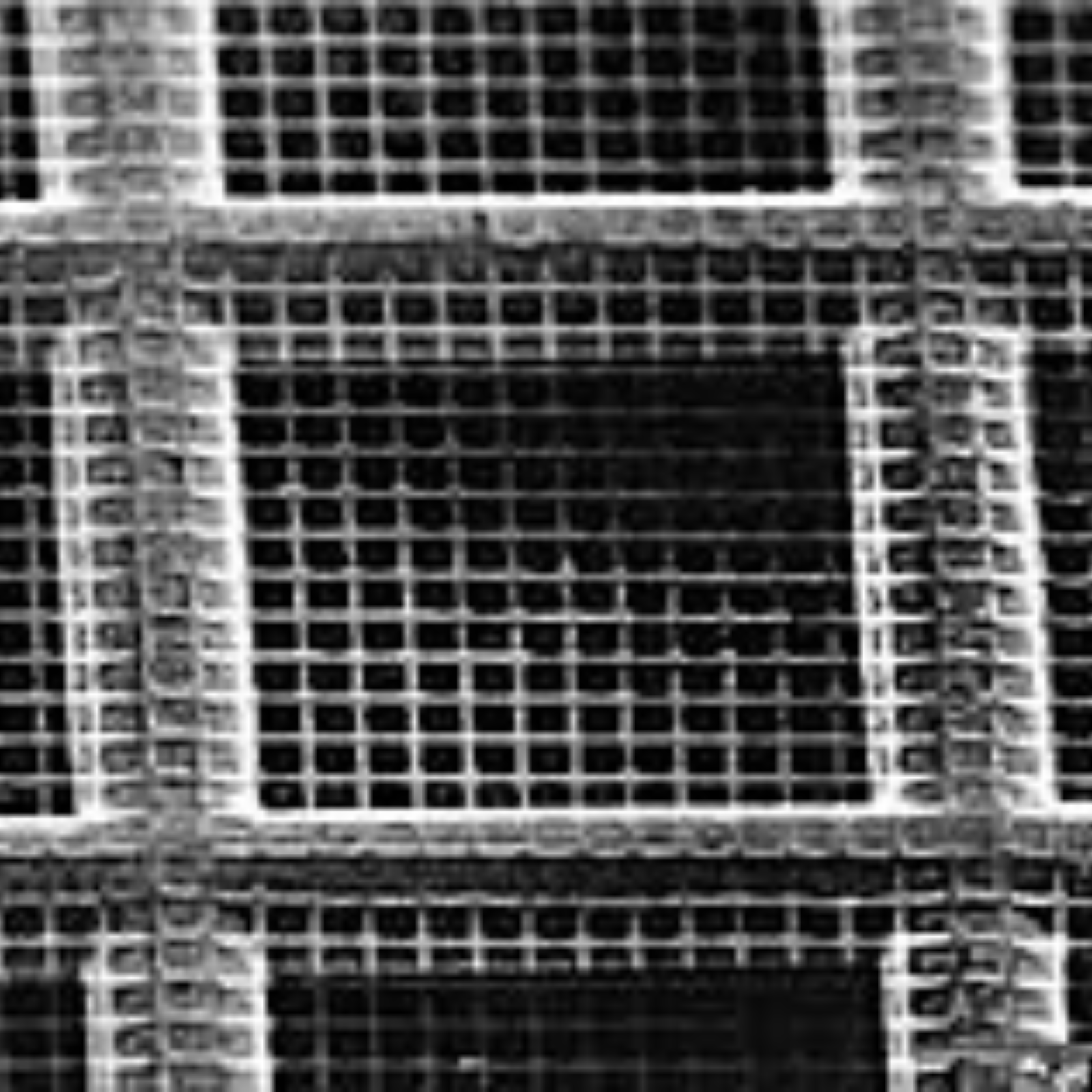
The Gold Standard for SPA: QUANTIFOIL® R 1.2/1.3 features a precision-patterned holey carbon film with 1.2 µm holes and 1.3 µm spacing. Optimized for automated Cryo-EM data collection (EPU/SerialEM), this geometry ensures ideal ice thickness for Single Particle Analysis on Copper or Gold grids.
Geometry: R 1.2/1.3 (1.2µm Hole, 1.3µm Space)
Material: Copper or Gold (200/300 Mesh)
Use Case: High-Throughput Automation
Pack Size: 10 Grids or 100 Grids
Engineered for Cryo-Electron Microscopy
QUANTIFOIL® R 1.2/1.3 is the preferred support film for modern Cryo-EM workflows. The orthogonal array of 1.2 µm circular holes allows for the formation of thin, uniform vitreous ice, which is critical for high-resolution imaging of protein complexes and viruses.
Unlike irregular homemade holey carbon, the pre-defined geometry of Quantifoil allows software like Thermo Fisher EPU and SerialEM to accurately identify hole positions, enabling fully automated data collection with minimal user intervention.
Grid Material Options
We offer R 1.2/1.3 on various mesh materials to suit your experimental needs:
- Copper (Cu) Grids: The standard, cost-effective choice for general structural biology.
- Gold (Au) Grids: Essential for ultra-high resolution. Gold grids reduce beam-induced motion (CRYO-shift) because the gold support film contracts at the same rate as the gold grid bars during freezing.
| Parameter | Specification |
|---|---|
| Hole Diameter | 1.2 µm |
| Bar Width (Spacing) | 1.3 µm |
| Open Area | ~18% |
| Carbon Thickness | ~12 nm |
| Mesh Sizes | 200, 300, 400 Mesh |
Advantages for Single Particle Analysis
- High Hole Density: The dense packing of holes maximizes the number of acquisition targets per grid square.
- Consistent Ice: The 1.2 µm diameter is optimal for blotting and vitrification, reducing ice thickness gradients.
- Low Background: The thin carbon support minimizes noise, improving signal-to-noise ratio (SNR) for small particles.
Frequently Asked Questions
1. Why is R 1.2/1.3 popular for Cryo-EM?
The R 1.2/1.3 geometry offers a perfect balance between hole size (for ice thickness) and support bar width (for stability). It provides a high density of holes, allowing for efficient, high-throughput automated image acquisition.
2. Should I use Copper or Gold grids?
For the highest resolution (near atomic), Gold grids are recommended to eliminate differential thermal contraction and reduce beam-induced motion. For routine screening or larger particles, Copper grids are a reliable and economical choice.
3. Do I need to glow discharge these grids?
Yes. QUANTIFOIL® films are hydrophobic by nature. You must use a glow discharge system (like the PELCO easiGlow) immediately before use to render the surface hydrophilic, ensuring proper sample distribution.
4. What is the difference between R 1.2/1.3 and R 2/2?
R 1.2/1.3 has smaller holes and tighter spacing than R 2/2. This makes R 1.2/1.3 better suited for smaller particles where thinner ice is required, and it allows for more data collection points within a single grid square.
5. Are these compatible with the Vitrobot?
Yes, these standard 3.05mm grids are fully compatible with all major vitrification systems, including the Vitrobot Mark IV, Leica EM GP, and Gatan CP3.