Quick answer
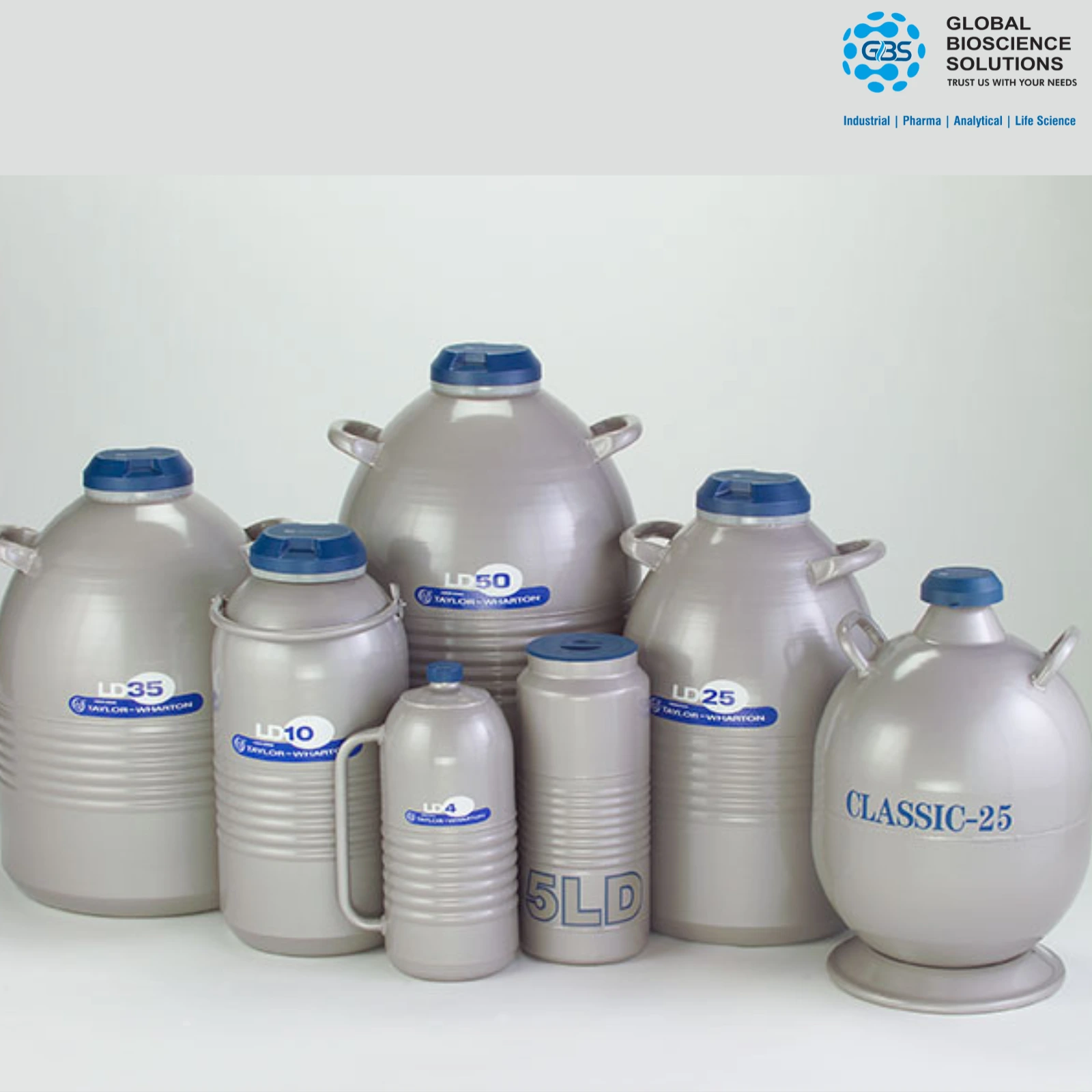
Pick 10L for a small lab, 25L for a shared lab, and 50L for a central facility or bulk refilling. Use a lab Dewar for storage, a foam Dewar only for short handling, and a dry cryo shipper to move samples between sites.
Which Capacity Do You Need?
Three standard sizes cover almost every lab. Find the one that matches how you work.
10L
Small lab
- Single user or small group
- Easiest to carry and refill
- Good for short project storage
25L
Most popular fit
- Shared lab or small facility
- Routine storage and transfers
- Balance of capacity and handling
- Fits most cryo-EM workflows
50L
Central facility
- Bulk supply and refill source
- Longer time between refills
- Heavy when full, plan for a trolley
- Best for high-use facilities
Storing grids for one project10L or 25L
Several users sharing storage25L
Refilling other vessels50L
Sending samples to another siteDry shipper
Lab-Grade Aluminum Construction
Built to hold liquid nitrogen at minus 196 degrees Celsius for long periods.
High capacity cryo storage
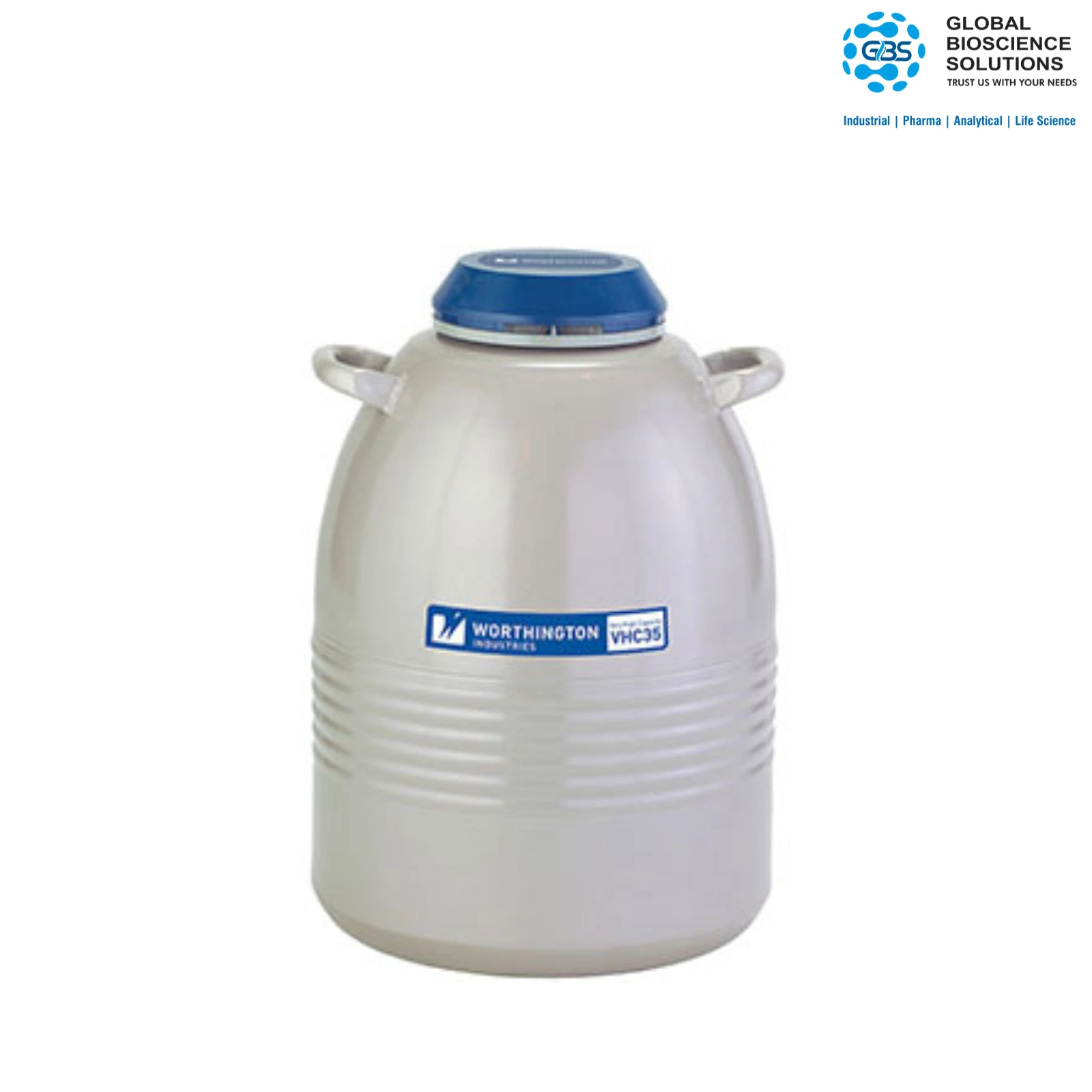
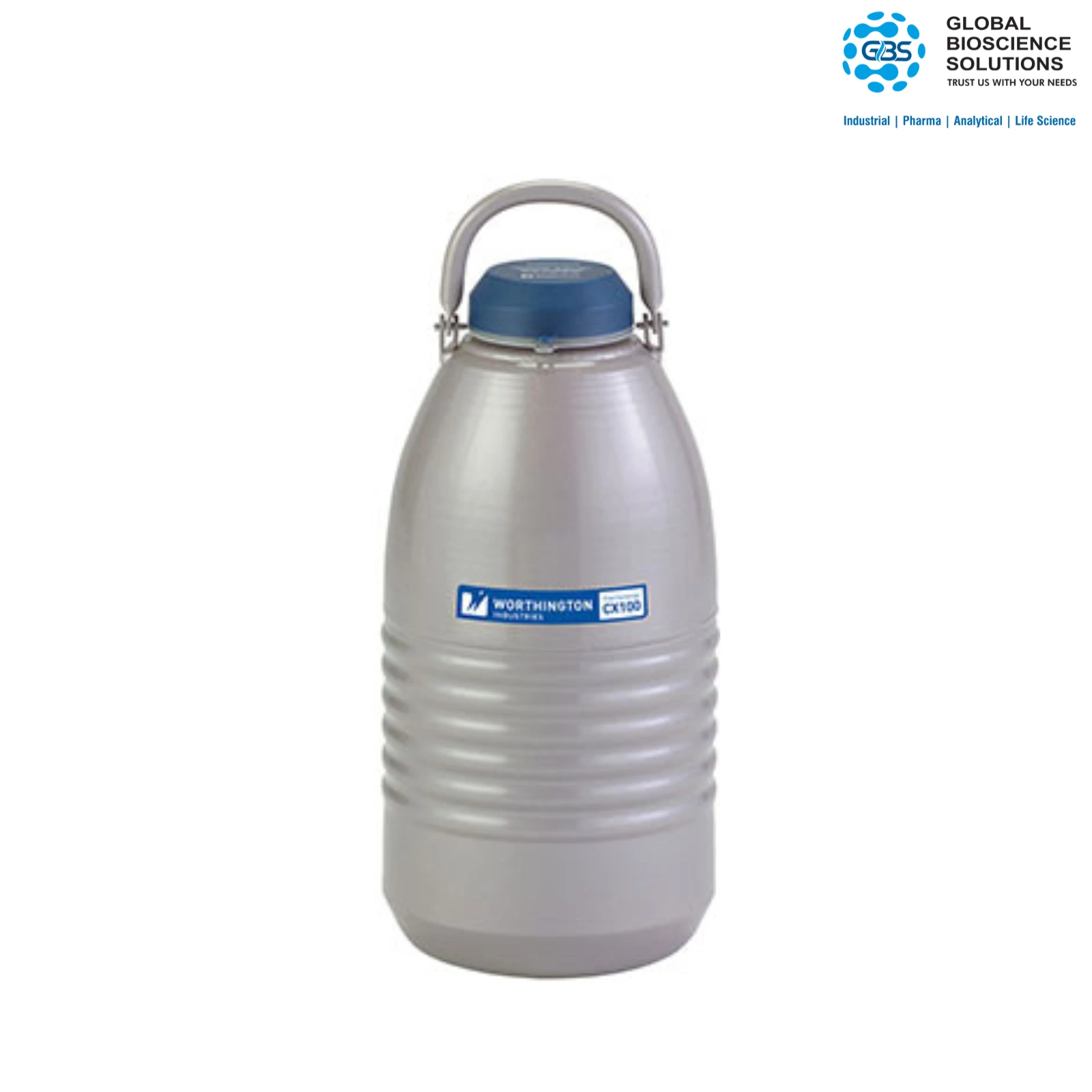
Dewar refrigerators hold racks and boxes of cryo samples in cold nitrogen vapour or liquid, ready for daily lab use.
Pair them with QUANTIFOIL grids and cryo grid boxes for a complete cryo-EM storage setup.
Aluminum body
Light, corrosion resistant and easier to handle than steel.
Vacuum insulation
Double wall with a vacuum gap to slow heat gain.
Narrow neck design
Smaller opening means less nitrogen lost to evaporation.
Lab handling
Built for daily use, racks, canes and routine refills.
Static Hold Time
How long a closed, undisturbed Dewar keeps its liquid nitrogen. Three things control it.
Capacity
Larger Dewars lose a smaller share of their contents each day.
Neck diameter
A wider opening lets more heat in and more nitrogen out.
Lid and stopper
A well fitted vented lid cuts evaporation compared with an open neck.
Real use is shorter than the datasheet. Every time the Dewar is opened, hold time drops. Always check the figure for your exact model and plan refills with a margin.
Choosing the Right Type of Dewar
Lab Dewar vs foam Dewar
| Feature | Lab Dewar (aluminum) | Foam Dewar |
|---|
| Material | Vacuum insulated aluminum | Expanded polystyrene foam |
| Holds LN2 for | Days to weeks or longer | Hours |
| Best for | Storage and routine lab use | Short handling, such as cooling ethane |
| Durability | Long service life | Fragile, replace often |
| Use for storage? | Yes | No |
Storage Dewar vs transport Dewar
| Feature | Storage Dewar | Transport Dewar |
|---|
| Stays in | One place in the lab | Moves between rooms or sites |
| Opening | Wider, for racks and boxes | Narrower, to limit spills |
| Handling | Fixed or on a trolley | Handles and secure lid |
| Typical contents | Cryo boxes, racks, canes | Samples or LN2 in transit |
| Between facilities | Use a dry cryo shipper, see below |
Dry Cryo Shippers for Inter-Facility Transport
The safe way to send frozen samples to another lab, including by air.
Dry cryo shipper
Liquid nitrogen is absorbed into a porous material in the wall. There is no free liquid, so nothing can spill in transit.
Samples stay in the cold vapour phase for the whole journey.
1
Charge
Fill with LN2 and let the wall material absorb it fully.
2
Drain
Pour off any free liquid so only absorbed nitrogen remains.
3
Load and ship
Load samples, close and ship with the required paperwork.
IATA rules apply. Fully absorbed dry shippers are generally accepted for air transport when requirements are met. Always confirm with your carrier and the current
IATA Dangerous Goods Regulations before shipping.
Safe Filling Procedure
Seven steps, in order, every time.
1
Wear PPE
Cryo gloves, face shield, closed shoes and long sleeves.
2
Ventilate
Work in a ventilated room. Use an oxygen monitor where possible.
3
Stabilize
Place the Dewar on a flat, stable surface before filling.
4
Fill slowly
Use a transfer hose or funnel. The first pour boils off as the vessel cools.
5
Leave headspace
Do not overfill. Stay below the recommended fill level.
6
Vent the lid
Use a loose or vented stopper, never a sealed cap.
Liquid Nitrogen Safety
Liquid nitrogen is safe when handled with respect. Know the three hazards.
Cold burns
Liquid and cold metal can damage skin on contact within seconds.
Oxygen displacement
One litre of liquid becomes about 694 litres of gas, which can push oxygen out of a small room.
Pressure build up
A sealed vessel can rupture as the liquid boils off.
Do
- Wear cryo gloves, a face shield and closed shoes
- Store and fill in a ventilated space
- Keep an oxygen monitor in enclosed rooms
- Use transfer tools made for LN2
- Fill slowly to avoid thermal shock and splashing
- Train every user before first use
Do not
- Seal any container holding liquid nitrogen
- Carry a Dewar in a closed lift with passengers
- Touch cold surfaces with bare hands
- Pour into a warm or damp vessel quickly
- Work alone in a small, closed room
- Use foam Dewars for long term storage
Frequently Asked Questions
Which cryo Dewar capacity should I choose: 10L, 25L or 50L?
Choose 10L for a small lab, 25L for a shared lab with routine storage and transfers, and 50L for a central facility or a refill source. Larger Dewars lose a smaller share per day but are heavier when full.
What is static hold time on a cryo Dewar?
It is how long a closed, undisturbed Dewar keeps liquid nitrogen. It depends on capacity, neck diameter and lid design, and it is shorter when the Dewar is opened often. Check the datasheet for your model.
What is the difference between a lab Dewar and a foam Dewar?
A lab Dewar is a vacuum insulated aluminum vessel for storage over days to weeks or longer. A foam Dewar is an expanded polystyrene container for short handling lasting hours, such as cooling ethane. Do not use foam for storage.
What is the difference between a storage Dewar and a transport Dewar?
A storage Dewar stays in one place and usually has a wider neck for racks and boxes. A transport Dewar has handles, a narrower neck and a secure lid for moving. For shipping between facilities, use a dry cryo shipper.
What is a dry cryo shipper?
A dry shipper holds liquid nitrogen absorbed in a porous wall material, so there is no free liquid to spill. Samples stay in cold vapour. Fully absorbed dry shippers are generally accepted for air transport under IATA rules when requirements are met. Confirm with your carrier first.
What are the main safety risks of liquid nitrogen?
Cold burns, oxygen displacement in poorly ventilated rooms, and pressure build up in sealed vessels. Use cryo gloves, a face shield and closed shoes, work in a ventilated area, and never seal a vessel holding liquid nitrogen.
Get Cryo Dewars from GBS India
10L, 25L and 50L Dewars plus dry cryo shippers, supplied from Bengaluru with delivery across India.